COSH!
The projects featured here highlight my contributions to improving both the COSH! application and website by adding new services and features. When I joined the team, development on the app and website was already underway.
To ensure consistency, I began by studying existing materials and aligning my designs with the COSH! branding guidelines. I worked closely with the developer and product manager throughout the process.The first project involved designing a completely new section within the app called "Stats" — a space that consolidates various data-driven projects into a single, user-friendly feature. This section enables users to view up-to-date information about the products they are using.Below are some images showcasing the final app designs.
Stats
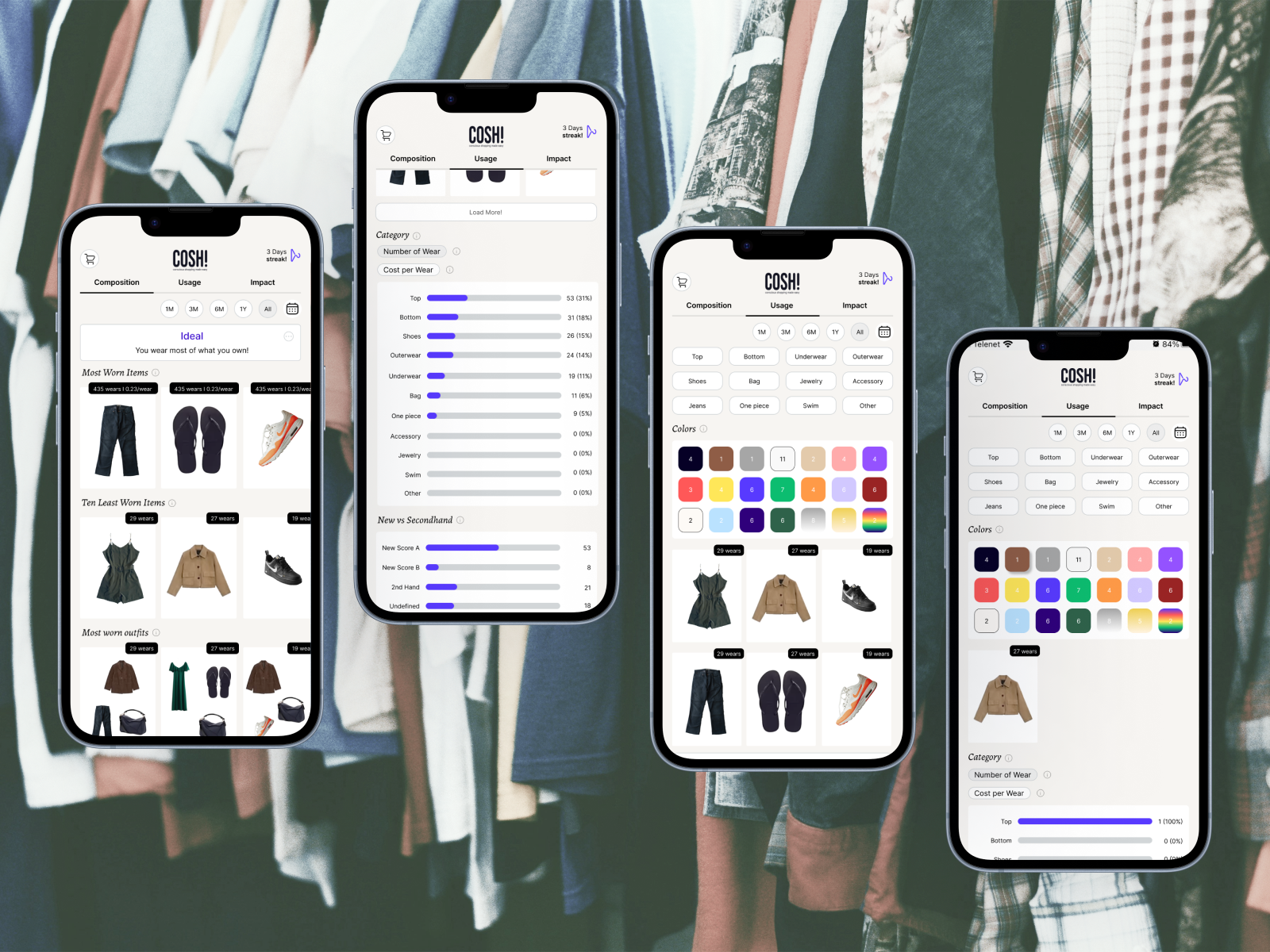
To add two new services to the COSH! application, I designed a Repair and Resale feature. These allow users to easily select an item and either request a repair or resell it to a selected partner shop in their local area.
As with most of my design processes, I explored multiple visual and functional variations to find the most effective solution. Below, you can see two different mockup versions that were tested and evaluated to determine the best user experience.
Repair Service
.png)
Resale Service
.png)
All images are the property of COSH! – Conscious shopping made easy.
AI Onboarding
%20(1).jpg)
UI Samples
Here are some examples of applications I have personally worked on to improve my skills and deepen my understanding of UI/UX design. I usually engage in this kind of practice when I have free time, as it helps me speed up my design process and explore different concepts more efficiently.
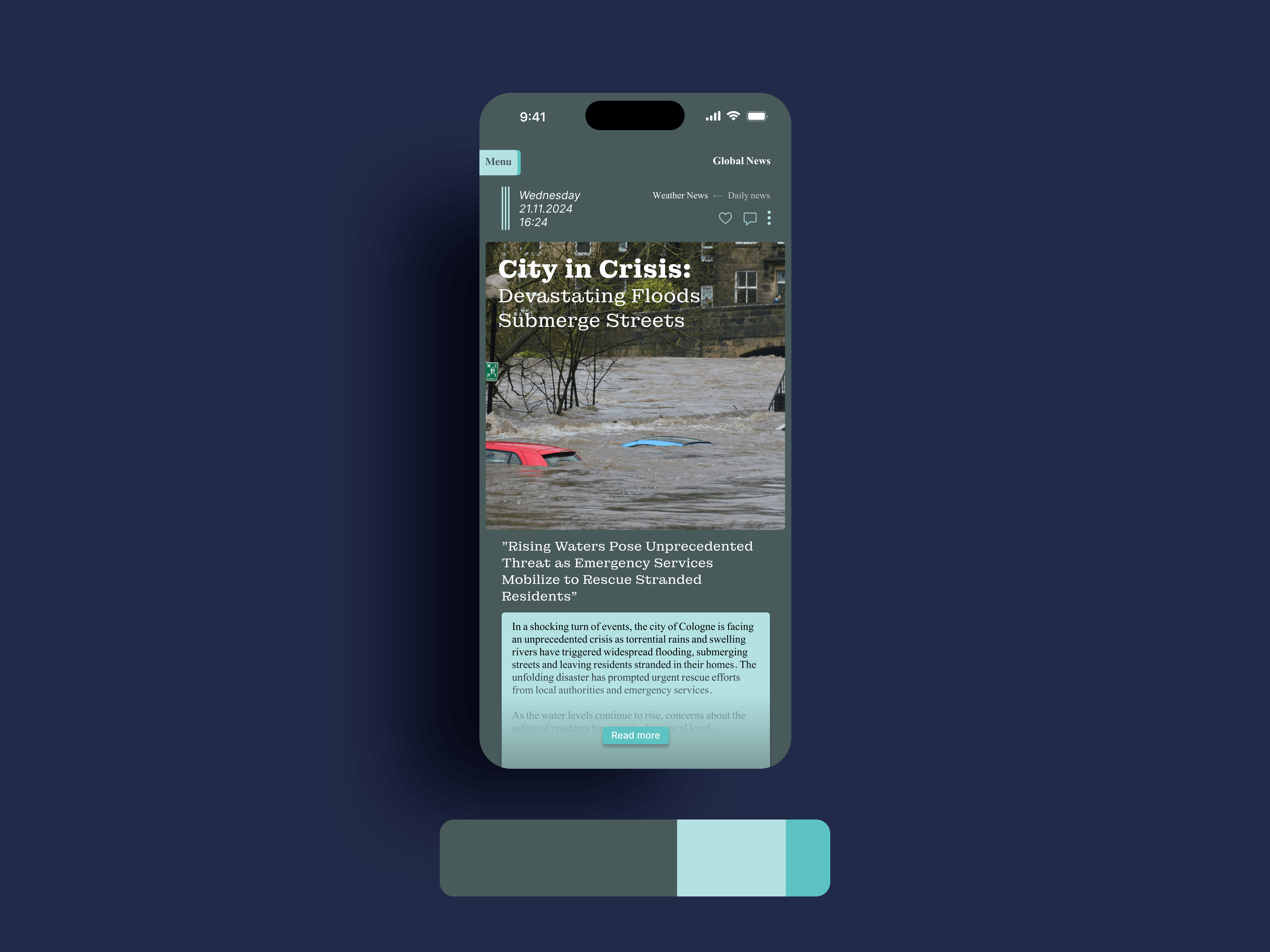
News tracking
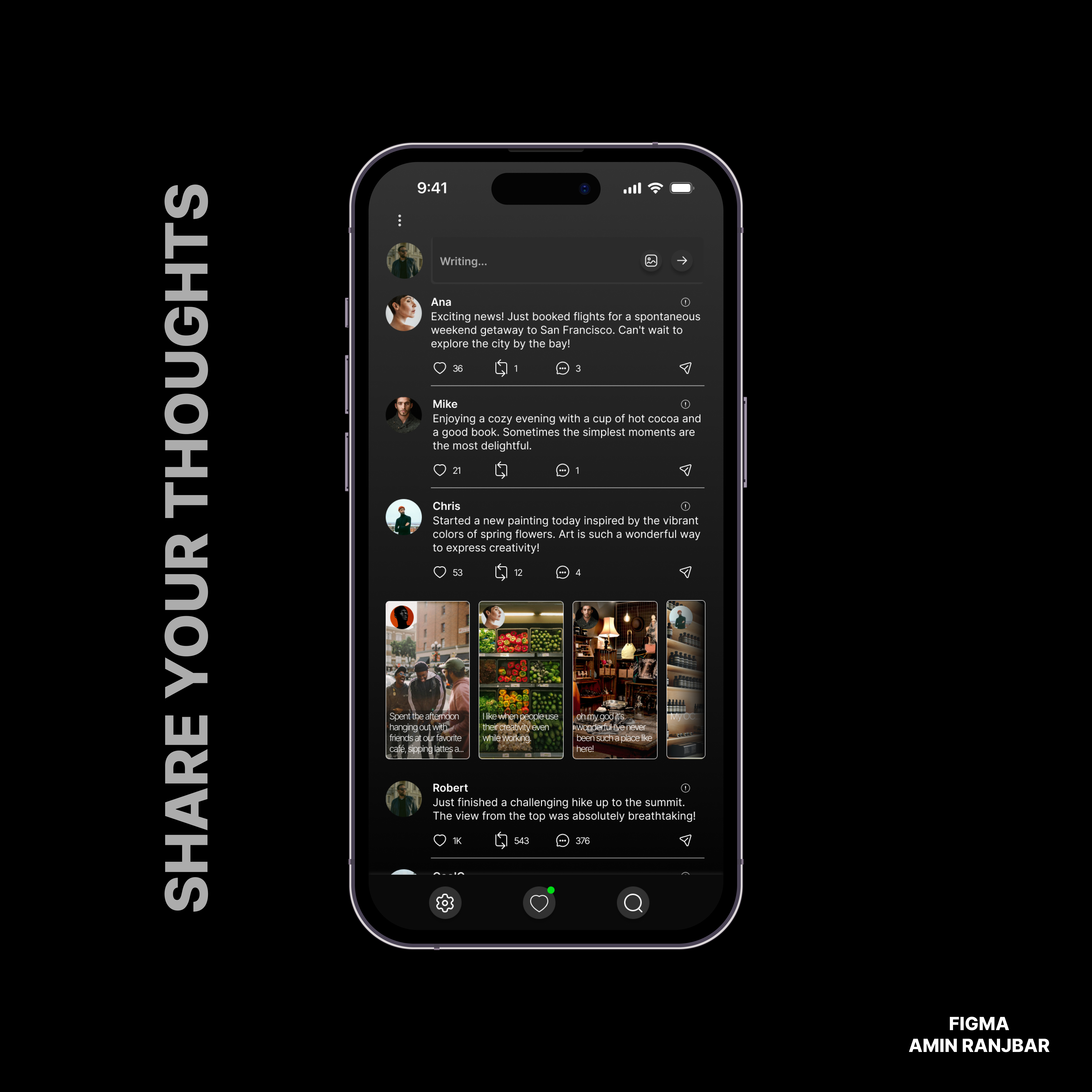
Social media practice
.jpg)
Sharing your rock songs
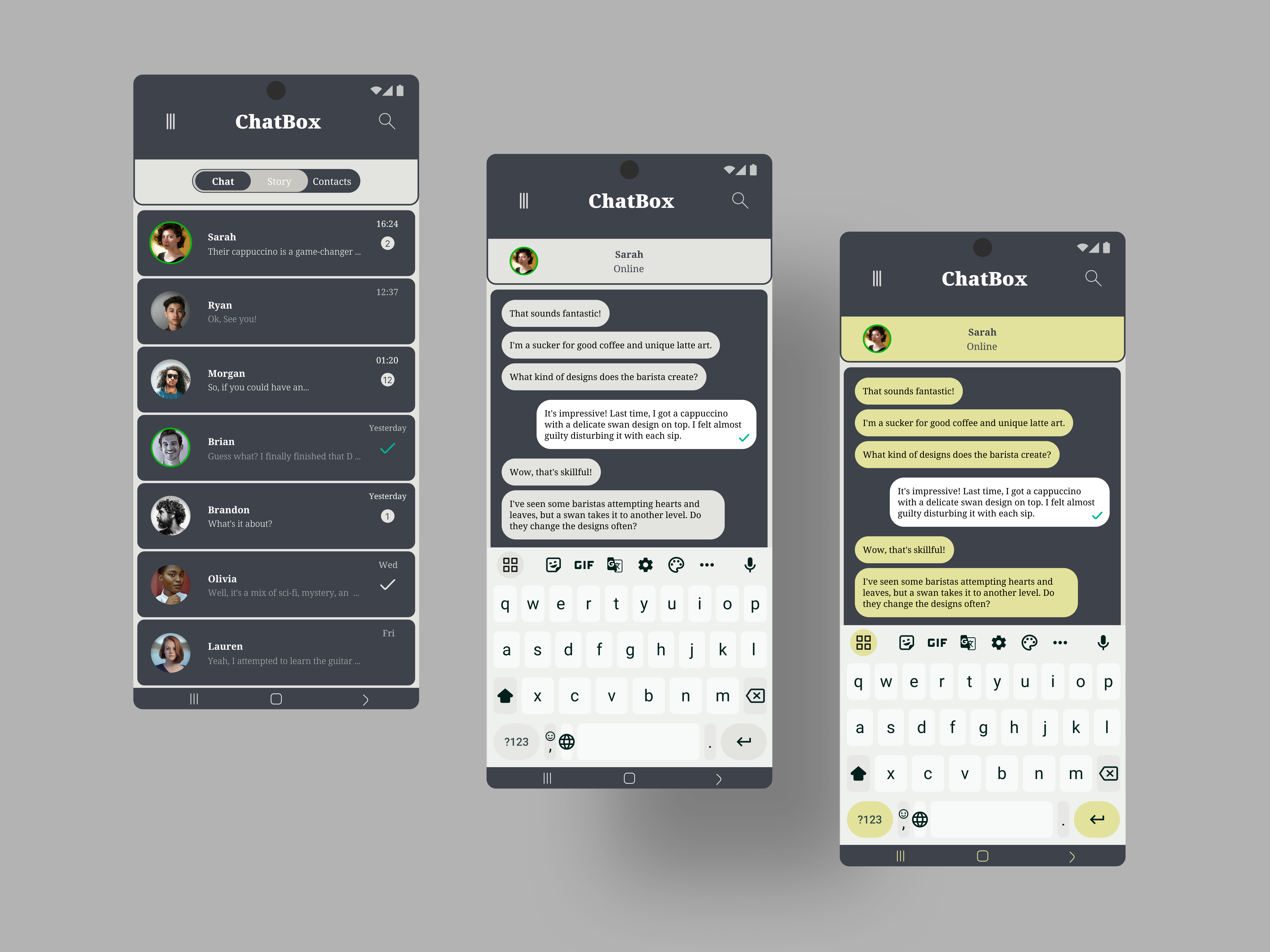
Messanger
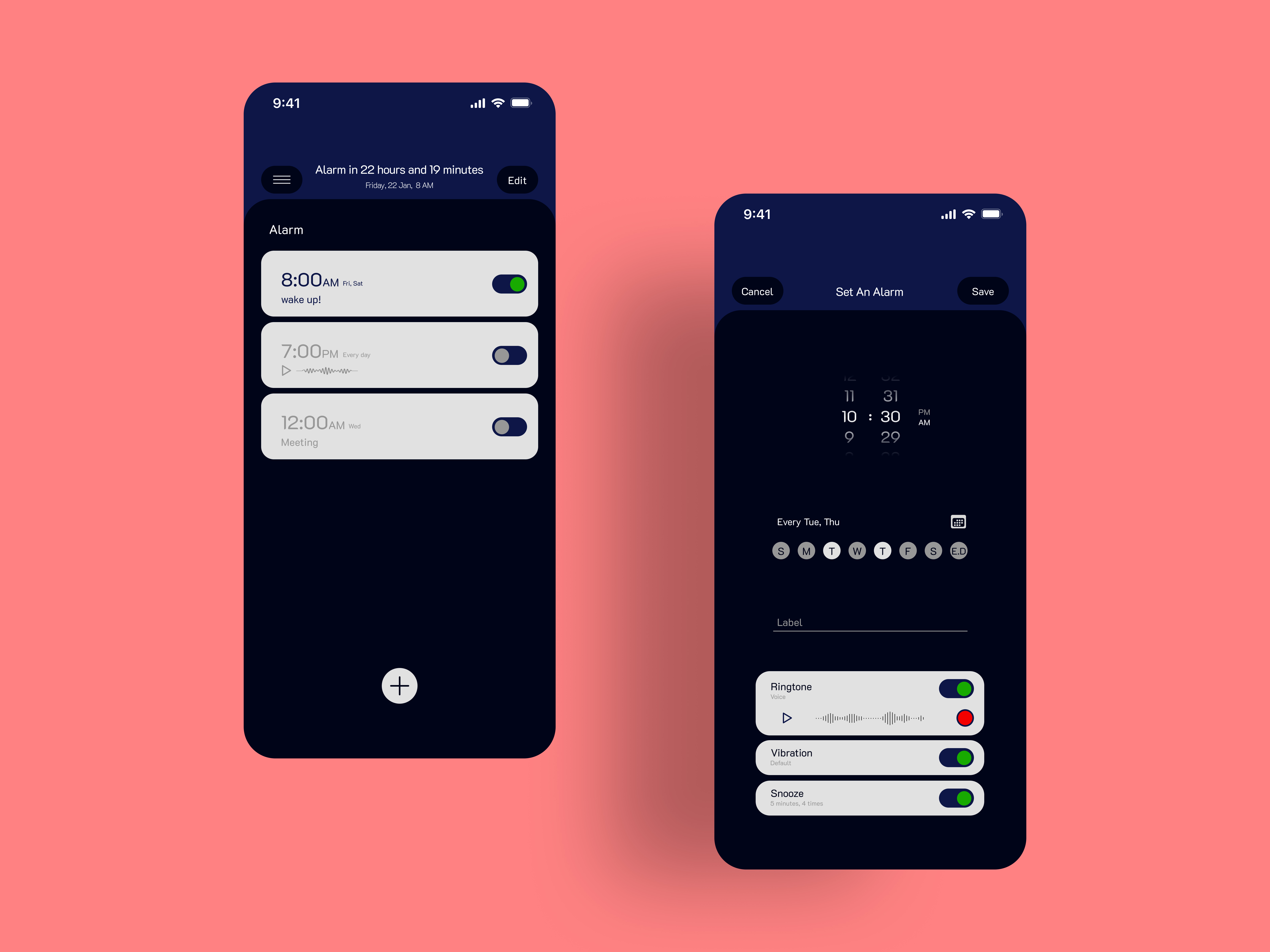
Alarm practice
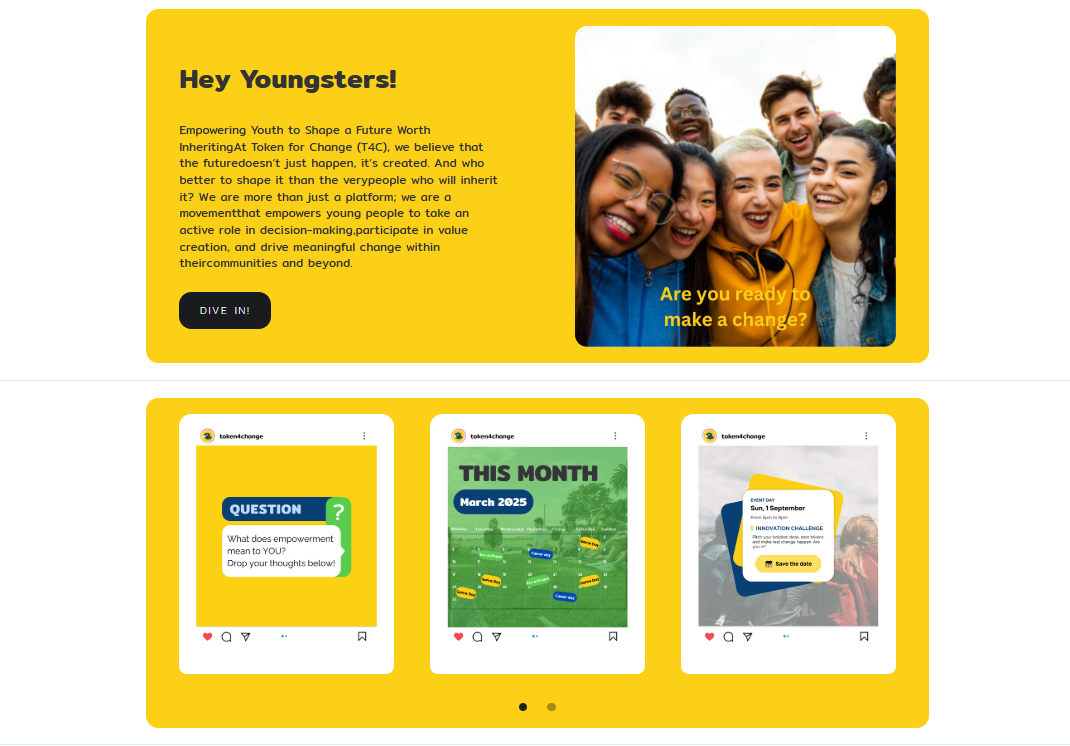
Token4change
Bienenhöhlen
The Solution:
The project proposes a sustainable and ecological beekeeping model that aligns with the natural behavior of bees. It focuses on creating bee habitats that mimic tree hollows, thus promoting bee health and environmental restoration.
Call to Action:
The initiative invites individuals, communities, and organizations to participate in reshaping beekeeping into a more eco-conscious and biodiversity-friendly practice.
Target Groups:
Environmentally conscious students (ages 18–30)
Individuals or couples looking for meaningful environmental action (ages 35–60)
Municipal decision-makers in public environmental programs
Eco-conscious small businesses (ages 30–60) for branding and engagement
Community groups and NGOs (ages 25–60) interested in education and restoration
Large corporations focused on sustainability and visible biodiversity efforts
Core Interests:
Visible, community-benefiting eco-projects, Sustainable living and personal fulfillment, Environmental and experiential education, Ecosystem and biodiversity restoration
.jpg)